日志
席琳·迪翁200万美元 研究自身免疫性神经系统疾病
|
科罗拉多大学安舒茨医学院获席琳·迪翁基金会200万美元捐赠,用于推进自身免疫性神经系统疾病的研究
这位音乐巨星捐赠巨款,助力揭开僵人综合征及其他自身免疫性神经系统疾病的神秘面纱
克里斯·凯西 | 2024年6月18日
席琳·迪翁曾因一种罕见疾病而被迫中断演艺生涯,而对这种疾病进行更多研究的需求,正是这部讲述这位音乐巨星痛苦历程的新纪录片的主线。如今,得益于科罗拉多大学安舒茨医学院和一笔新的慈善捐赠,席琳·迪翁的病情已出现转机,未来一片光明。
将于6月25日在亚马逊Prime首播的纪录片《我是:席琳·迪翁》记录了这位歌手与一种名为僵人综合征(SPS)的严重神经系统疾病抗争的历程。科罗拉多大学医学院神经病学副教授兼自身免疫性神经病学项目主任阿曼达·皮奎特医学博士及其团队正与迪翁不懈努力,力图帮助她战胜这种罕见、慢性且进行性发展的自身免疫性神经系统疾病。目前,这种疾病尚无治愈方法。SPS的特征是肌肉僵硬、疼痛性痉挛和行走困难。
皮奎特博士的团队正在对自身免疫性神经系统疾病进行突破性研究。两年来,她一直在科罗拉多大学医院为这位加拿大歌手治疗SPS。她是首位由席琳·迪翁基金会捐赠200万美元设立的席琳·迪翁基金会自身免疫性神经病学捐赠教席教授。
皮奎特博士表示,基金会的捐赠标志着人们对SPS和其他自身免疫性神经系统疾病的认识迎来了一个转折点。
新的治疗试验即将展开
“这仅仅是该疾病患者美好未来的开端,”她说道。“首先,这将提高公众的认知度。有了公众的认知,我们就能更好地了解和诊断这种疾病……这将对僵人综合征以及其他自身免疫性神经系统疾病产生深远的影响。”
皮奎特表示,这项慈善捐赠将有助于支持更多的大规模流行病学研究,这些研究已经表明,僵人综合征并不像最初认为的那样罕见。僵人综合征最早于20世纪50年代被发现,据估计,其发病率约为百万分之一;科罗拉多大学安舒茨医学院的最新研究发现,其患病率约为十万分之二。皮奎特指出,提高对该疾病的认识以及这项慈善捐赠的支持最终将促成创新性治疗试验的开展。
这项捐赠将加速研究发现。具体而言,未来五年内,该项目将:
支持新设立的捐赠教席及其负责人,致力于拓展研究,加深对僵人综合征(SPS)和其他罕见自身免疫性神经系统疾病的理解;
扩建科罗拉多大学安舒茨医学院的自身免疫性神经系统疾病登记库和生物样本库,增加数据量,从而为SPS患者的治疗提出有效的改进方案;
更快地识别患者的症状模式,以便更早地诊断疾病,并提供能够提高患者生活质量的解决方案。
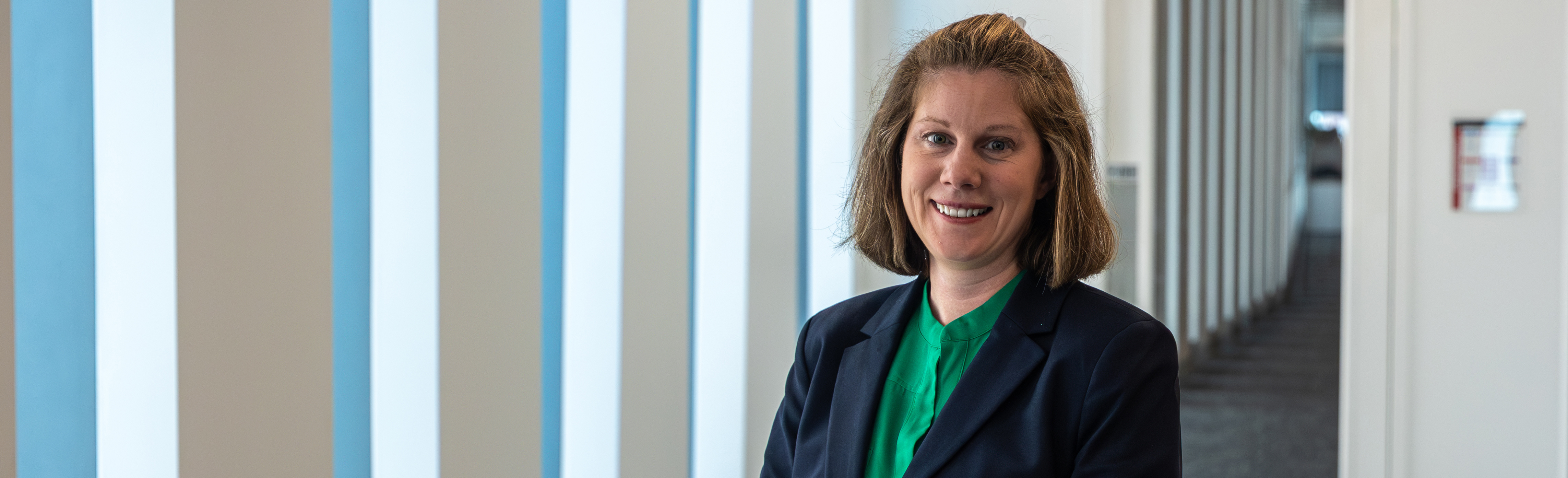
阿曼达·皮奎特医学博士,首位席琳·迪翁基金会自身免疫性神经病学捐赠教席教授。
皮奎特表示,新的数据将为深入了解SPS的潜在病理生理机制和诱发因素提供更多线索,从而改进治疗方法。“我们将获得血液和脑脊液样本,以便进行免疫分析和其他免疫功能障碍标志物的检测。”
目前,该疾病的治疗主要采用对症治疗和免疫疗法相结合的双管齐下方法。皮奎特表示,一线免疫疗法是静脉注射免疫球蛋白(IVIg),但还需要更好的治疗方法和更多的临床试验。对症治疗包括肌肉松弛剂和解痉药,以及按摩疗法和水疗等非药物疗法。
“漫长的诊断之旅”
“这种疾病会引发很多焦虑和恐惧,”她说道,“我的一些患者甚至需要接受创伤治疗师的帮助。”
与此同时,压力和创伤在SPS患者确诊前就已十分常见。皮奎特指出,由于该疾病难以确诊,患者往往“最终会陷入漫长的诊断之旅”,这个过程可能持续五年以上。 SPS(痉挛性截瘫)经常被误诊为多发性硬化症(MS)、纤维肌痛或精神疾病,“这可能会造成毁灭性的打击。患者最终会因为医疗系统而遭受创伤——多年来不断被误诊和转诊。”
席琳·迪翁于2022年12月在Instagram视频中宣布自己被诊断出患有SPS,并描述了“严重且持续的肌肉痉挛”,这迫使她取消了即将到来的巡演。纪录片更详细地介绍了迪翁的病情,但在影片上映前的一次采访中,皮奎特指出
席琳·迪翁表示,她的病情“有所好转,总体上正在取得进展”。
虽然这位歌手能否重返舞台仍不明朗,但她仍在竭尽全力朝着这个目标努力。在最近接受法国版《Vogue》杂志采访时,迪翁说道:“我希望我们能找到奇迹,通过科学研究找到治愈方法。但就目前而言,我必须学会与病魔共存。”
僵人综合征(SPS)对女性的影响尤为严重——约60%至70%的病例发生在女性身上——平均发病年龄为50岁。
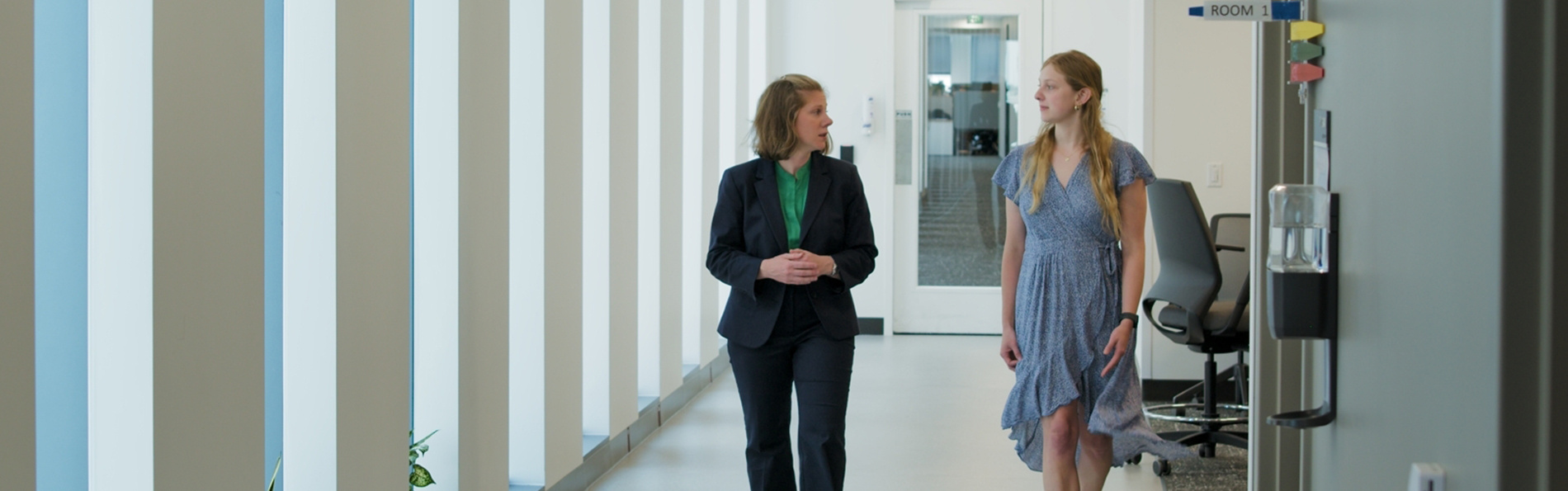 安舒茨健康科学大楼神经内科研究服务专员萨迪·埃格曼和阿曼达·皮奎特医学博士。
这种疾病通常会逐渐加重,但对每位患者的影响各不相同,如果不及时治疗,可能会危及生命。“它会导致严重的残疾,”皮奎特说道。 “我认为,部分原因可能在于患者在接受免疫疗法之前,症状持续时间过长。目前还没有充分的研究表明,早期接受治疗的患者残疾程度更低。”
“治愈更多自身免疫性神经系统疾病”
她强调,这些答案将通过更多的研究、数据和临床试验才能揭晓。科罗拉多大学安舒茨分校是全美少数几所专注于SPS研究的健康科学院校之一。
皮奎特说,她一直想学习神经病学,因为“我热爱大脑——它非常复杂。我本科时曾在脑损伤康复中心工作,这让我深深地被患者所吸引。”
“一旦我们治愈了SPS,我认为我们将走上治愈更多自身免疫性神经系统疾病的道路……”——阿曼达·皮奎特医学博士
如今,世界著名歌手之一既是SPS患者,也是慷慨的捐助者,致力于揭开SPS的神秘面纱,这让皮奎特比以往任何时候都更有动力。
“我们需要更好的治疗方法,”她说。“最终,我们渴望找到治愈方法。一旦我们治愈了僵人综合征(SPS),我认为我们将走上治愈更多自身免疫性神经系统疾病的道路,因为从根本上讲,这需要我们了解免疫系统对神经系统的影响。但与此同时,我们需要更好的治疗方法。”
CU Anschutz Receives $2 Million From the Céline Dion Foundation to Advance Autoimmune Neurologic Disorders Research
Music superstar directs gift toward unraveling the mystery of stiff person syndrome, other autoimmune neurologic diseases
by Chris Casey | June 18, 2024
The need for more research into a rare disease that halted the career of Céline Dion is a main thread in a new documentary about the music superstar’s painful journey, which, thanks largely to the University of Colorado Anschutz Medical Campus and a new philanthropic gift, has taken a turn toward “a very bright future.”
Premiering June 25 on Prime, “I Am: Céline Dion” chronicles the singer’s struggle with the debilitating neurological disease called stiff person syndrome (SPS). Amanda Piquet, MD, associate professor of neurology and director of the autoimmune neurology program at the University of Colorado School of Medicine, and her team are working tirelessly with Dion to overcome this rare, chronic and progressive autoimmune neurologic disease, which currently has no cure. SPS is characterized by muscle stiffness, painful spasms and difficulty walking.
Piquet, whose team is conducting groundbreaking research on autoimmune neurologic disorders, has treated the Canadian singer’s SPS for two years at UCHealth University of Colorado Hospital. She is the inaugural Céline Dion Foundation Endowed Chair in Autoimmune Neurology, made possible by a $2 million philanthropic investment from the Céline Dion Foundation.
Piquet said the foundation’s gift represents a turning point in the understanding of SPS and other autoimmune neurologic diseases.
New treatment trials on horizon
“This is just the start of a very bright future for those with the disease,” she said. “Number one, it’s going to bring public awareness. With public awareness, we understand and diagnose this better. … This is going to be highly impactful for stiff person syndrome as well as other autoimmune neurologic disorders.”
Piquet said the philanthropic investment will help support more large-scale epidemiological studies, which are already showing that SPS is not as rare as initially thought. First identified in the 1950s, SPS is estimated to affect around one in 1 million people; new studies at CU Anschutz have found a prevalence rate of approximately two in 100,000. Piquet noted that improved recognition of the disease and the support of this philanthropic gift will ultimately lead to innovative treatment trials.
The gift will expedite research discoveries. Specifically, over five years it will:
- Support the new endowed chair and her efforts to expand research and develop a deeper understanding of SPS and other rare autoimmune neurological disorders;
- Expand CU Anschutz’s autoimmune neurologic disease registry and biorepository, increasing the volume of data to propose effective shifts to the care for people experiencing SPS; and
- More quickly identify the patterns in symptoms people are experiencing to diagnose the disease earlier and provide solutions that will lead to a better quality of life for patients.
Amanda Piquet, MD, the inaugural Céline Dion Foundation Endowed Chair in Autoimmune Neurology. |
New data will provide more insights into the underlying pathophysiology and triggers of SPS, leading to improved therapeutic approaches, according to Piquet. “We’ll have those blood and spinal fluid samples where we can then look at immune profiling and other markers of immune dysfunction.”
The disease is currently managed through a two-pronged approach of symptomatic and immune therapies. A first-line immunotherapy is IVIg, or intravenous immunoglobulin, but better therapeutics and more clinical trials are needed, Piquet said. Symptomatic therapies include muscle relaxers and anti-spasmodic agents as well as nonpharmacologic approaches such as massage therapy and hydrotherapy.
‘Diagnostic odyssey’
“There is a lot of anxiety and phobias that we can see with this disease,” she said. “I’ve had some patients work with a trauma therapist.”
Stress and trauma, meanwhile, are common in SPS patients long before diagnosis. Because the disease is so difficult to pinpoint, patients often “end up on this diagnostic odyssey” that can drag on for over five years, Piquet said. SPS is frequently misdiagnosed as multiple sclerosis (MS), fibromyalgia or as a psychiatric disease, “which can be devastating. And then patients end up with trauma from the medical system – just getting misdiagnosed and passed around for years.”
Dion announced her SPS diagnosis in December 2022 on an Instagram video, describing “severe and persistent muscle spasms” that forced her to cancel an upcoming tour. The documentary goes into more detail about Dion’s condition, but in an interview ahead of the film’s release, Piquet noted that Dion “is improved and overall making progress.”
While it remains unclear as to whether the singer will be able to perform again, she continues doing everything possible to reach that goal. In a recent interview with Vogue France, Dion said, “I hope that we find a miracle, a way to cure it with scientific research. But for now I have to learn to live with it.”
SPS disproportionately affects women – with about 60% to 70% of cases being in women – and the median age of onset is 50.
Amanda Piquet, MD, and Sadie Eggmann, research services professional in the Department of Neurology, at the Anschutz Health Sciences Building. |
The disease is typically progressive, though it affects each patient differently, and it can be life-threatening if left untreated. “It can be very disabling,” Piquet said. “I think sometimes part of that might just be due to how long patients suffered from symptoms before they were put on immune therapy. We don’t have good studies saying patients that were initiated on therapy early have less disability.”
‘Curing more autoimmune neurologic diseases’
She emphasized that those answers will emerge from more research, data and clinical trials. CU Anschutz is one of only a few health science campuses in the nation focused on SPS research.
Piquet said she always wanted to study neurology because “I love the brain – it’s so complex. I worked in brain injury rehab when I was an undergrad, and that really drew me to the patients.”
"And once we cure SPS, I think we’re going to be on the road to curing more autoimmune neurologic diseases …” – Amanda Piquet, MD
Now, with one of the world’s most celebrated singers as both a patient and generous contributor toward unraveling the mystery of SPS, Piquet is more driven than ever.
“We need better therapies for patients,” she said. “Ultimately, what we’d love is a cure. And once we cure SPS, I think we’re going to be on the road to curing more autoimmune neurologic diseases, because fundamentally it is understanding the immune system’s impact on the nervous system. But, in the meantime, we need better therapies.”


