日志
中国,美国患者找到了最先进的治疗方法
已有 9 次阅读2026-10-29 08:14 |个人分类:medicine
KFF (Kaiser Family Foundation)
Media relations: kffmedia@kff.org
Logo use requests: logorequest@kff.org
Donations and giving: donations@kff.org
Official sender: kff@emails.kff.org, emails@kffhealthnews.org
当政客们争论中国时,美国患者在那里找到了最先进的治疗方法
作者:阿瑟·艾伦 2026 年 10 月 20 日 aallen@kff.org
https://kffhealthnews.org/health-industry/china-cancer-drugs-foreign-travel-pharma-biotech-fda-regulation-clinical-trials/
中国上海街道上数百人行走的景象。
上海的行人。马克斯·多佩尔特 (Max Doppelt) 飞到城里去给他的母亲黛比·多佩尔特 (Debbie Doppelt) 补充她专门用于治疗肺癌的药物。 (iStock/盖蒂图片社)
直到最近,曼哈顿人可能只需要走几十个街区就能找到世界上最先进的癌症治疗方法。自 1990 年以来,先进的美国药物已帮助美国癌症死亡率降低了约三分之一,纽约市的医院提供了全国最好的护理。
合作伙伴标志
这个故事也刊登在《华盛顿邮报》上。它可以免费重新发布。
但在 2025 年 1 月,该市的卫生系统对黛比·多佩尔特 (Debbie Doppelt) 没有好的选择,她是一位 60 岁的珠宝商,患有一种不寻常的肺癌,这种癌症主要困扰像她这样的非吸烟者。美国食品和药物管理局尚未批准 Sunvozertinib,这是一种在中国开发的药物,针对驱动 Doppelt 肿瘤的突变。她已经接受了化疗和手术,但癌症现在已经扩散到她的大脑。而且她没有资格参加相关的临床试验。
然后,在一句随口的话中,出现了一个选项。
“太糟糕了,她不是中国人,”一名医生告诉她的儿子马克斯·多佩尔特(Max Doppelt),自 2023 年确诊以来,他一直负责安排母亲的护理。 “她可以去中国的药店购买。”
几个小时内,母子俩就联系了朋友和亲戚,其中一位亲戚从一位居住在中国的联系人那里购买了少量的 Sunvozertinib。几个月后,麦克斯飞往上海去补充。
其他患者也纷纷效仿。 “没有组织或医生引导病人去中国,但消息传开了,”马克斯说。他说,据他所知,至少有 30 名美国人为了获得该药物而千方百计,该药物于 2025 年 7 月获得 FDA 许可,但截至今年 10 月中旬尚未上市。
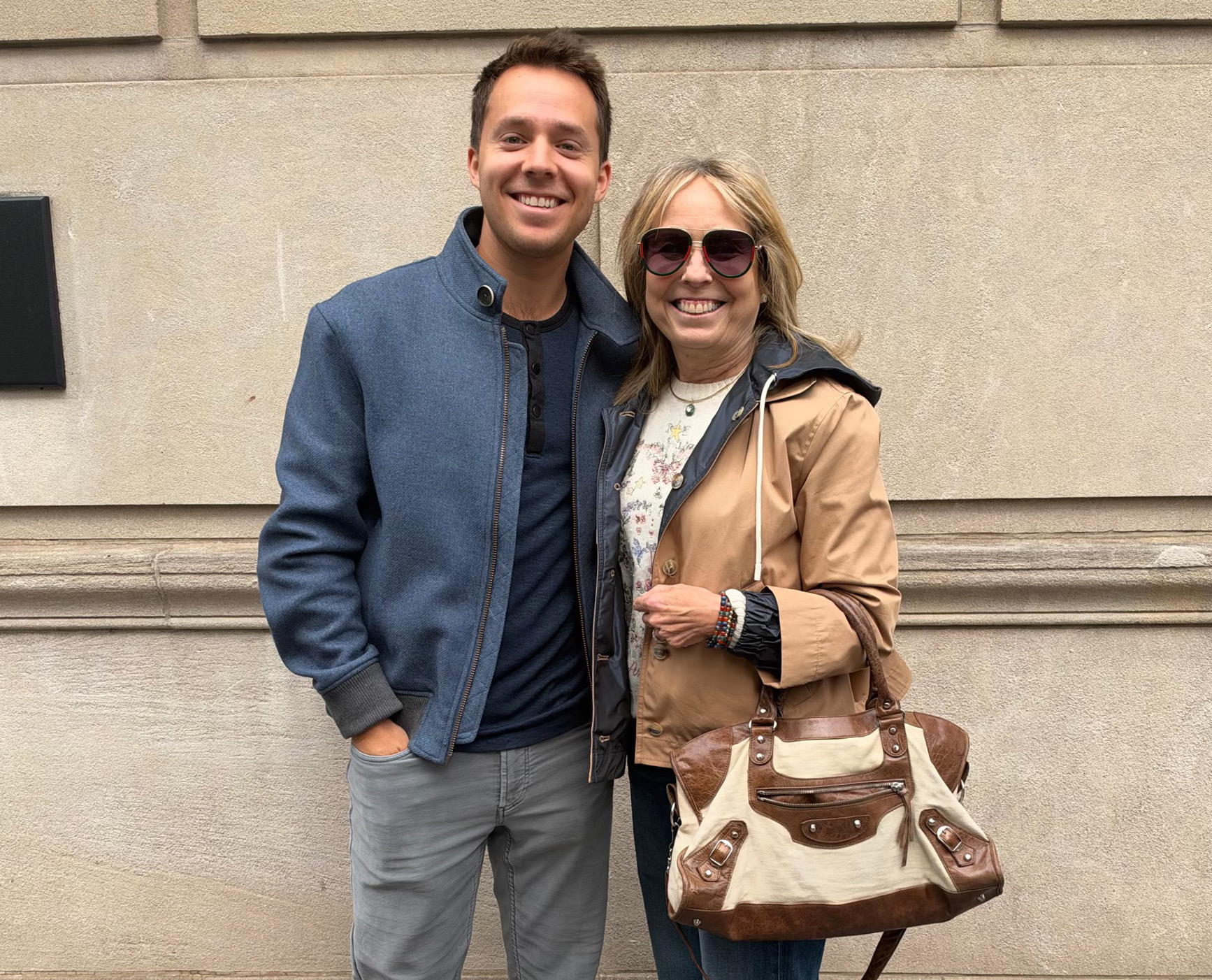
马克斯·多佩尔特和他的母亲黛比的照片。
自 2023 年母亲黛比·多佩尔特 (Debbie Doppelt) 诊断出癌症以来,马克斯·多佩尔特 (Max Doppelt) 一直在为她安排护理。(多佩尔特一家)
由上海迪扎尔制药有限公司生产的 Sunvozertinib 并不是吸引患者来到中国的唯一治疗方法。美国人、欧洲人和其他国家正在长途跋涉前往那里进行 CAR-T 疗法的临床试验,而中国在这一领域目前处于世界领先地位。
直到最近,中国还更多地被认为是药物前体化学品和仿制药的供应商,如今已成为生物技术强国,到 2025 年,中国将占全球测试新药的 46%。美国制药公司正在中国测试新疗法,并与中国公司签署价值数十亿美元的合同来开发和销售其药物。
中国的进步令一些政界人士感到震惊,他们警告称,美国将面临失业和对中药的依赖。特朗普政府于 6 月启动了 TrialBlazer 行动,旨在加快 FDA 的一些监管流程,以吸引更多的临床试验。
小型生物技术公司的资深人士、现任 FynderBio 公司领导者萨姆·拉斯蒂 (Sam Rasty) 表示,新冠大流行期间,中国在疫苗和药物开发方面表现不佳,促使该国对其生物技术行业进行了彻底改革,从而极大地改变了全球行业。风险资本现在大量流向中国和澳大利亚的早期临床工作,这些国家的监管体系比美国更快地实现了关键的首次人体研究。
小型生物技术公司 Breakthru Medicine 的首席执行官史蒂夫·波茨 (Steve Potts) 表示,中国公司在这一过程中的速度要快得多,以至于过去在会议或融资会议上分享早期进展的美国生物技术公司现在经常隐瞒自己的进展,因为担心竞争对手会采用他们的想法并加速将其推向市场。
波茨说,在他 5 月份参加的一次会议上,与会的几乎所有 60 名生物技术首席执行官都计划在澳大利亚、欧洲或中国进行第一阶段试验。五、十年前,大部分试验都是在美国进行的。
唐纳德·特朗普总统提名的 FDA 领导者海蒂·奥弗顿 (Heidi Overton) 在 9 月 24 日的确认听证会上的开场发言中警告称,FDA 的“缓慢且令人望而却步”的要求正在推动对更加灵活的中国公司的投资。
奥弗顿说,海外临床试验的运动“应该让每个美国人和那些为他们服务的人停下来”。 “当我们失去这种优势时,我们就失去了健康安全。而当我们失去健康安全时,我们就失去了一切。”
奥弗顿承诺继续进行 TrialBlazer,这反映了澳大利亚 1991 年开始的流程。卫生与公众服务部发言人艾米丽·希利亚德 (Emily Hilliard) 表示,该项目旨在加速临床试验和批准,使患者不会感到被迫到国外寻求治疗。有时在国外获取药物是合法的
她补充说,虽然这些药物仅供个人使用,但FDA“提醒患者注意监管体系之外的治疗可能存在的安全和质量风险”。
随着FDA着手简化药物研发流程,国会议员们正试图减缓中国企业融入美国生物技术领域的速度。
众议院中国共产党特别委员会主席、共和党籍众议员约翰·穆勒纳尔(密歇根州)于6月与民主党籍众议员黛比·丁格尔共同发起了一项法案,要求所有美国制药公司与中国企业的交易都必须获得财政部的批准。
其他人则认为生物技术保护主义是误入歧途。RA Capital Management的管理合伙人彼得·科尔钦斯基表示,中国致力于改进药物研发只会对我们有所帮助。RA Capital Management的生物技术投资组合中包含对中国的投资。
他说:“我们可能在许多领域是竞争对手,但我们并非在与他们竞争攻克癌症,而是在与他们合作攻克癌症。” “有些东西比地球上任何一个国家都更可怕。”
癌症无国界
2023年底,黛比·多佩尔特(Debbie Doppelt)因轻微但持续的咳嗽被确诊为癌症。化疗、免疫疗法和手术使病情控制了数月,但2024年12月的扫描结果显示,癌细胞已扩散至她的大脑,并形成了10个微小肿瘤。
美国食品药品监督管理局(FDA)于同年早些时候批准了阿米万他单抗(amivantamab),这是一种靶向驱动多佩尔特肿瘤的基因突变的药物,但马克斯(Max)担心它的毒性。此外,他咨询的几位医生都告诉他,阿米万他单抗可能无法渗透到脑组织中,从而无法对抗脑癌。
多佩尔特曾尝试参加她在纪念斯隆-凯特琳癌症中心(Memorial Sloan Kettering Cancer Center)接受治疗的另一种靶向她所患基因突变的药物——齐帕替尼(zipalertinib)的临床试验。但在2025年1月,多佩尔特一家得知,她肺部的轻微瘢痕使她不符合该研究的入组条件。
这样一来,剩下的就只有sunvozertinib了。这种药于2023年在中国获批。它也在美国进行试验,但仅限于后期临床试验,其中一半受试者只接受了化疗。对于多佩尔特来说,这种风险是绝对不能接受的,因为她的癌症已经对化疗产生了耐药性。
于是,马克斯飞往上海,回来时行李里装着26盒sunvozertinib。他说,这些药花了大约1万美元。
“登上飞机,把药带回家,感觉就像找到了人生的意义,”马克斯说。“数据非常清楚地表明,这种药对大脑有显著疗效。如果她选择其他任何治疗方案,她可能活不过一年。”
今年9月1日星期三,阿斯利康与Dizal公司签署了一项协议,在全球范围内分销这种药物。发言人塔拉·帕塞尔表示,阿斯利康计划在2027年初之前在美国上市。
多佩尔特和丈夫共同经营一家钻石生意。自2023年确诊癌症以来,她一直努力保持积极乐观的心态和健康的生活方式,几乎没有缺勤过一天。她说,她很感激自己拥有一个充满爱的社区,并且有能力负担最好的治疗方案。
“我觉得我这三年过得相当不错,实际上,这三年非常精彩,”她说。“从某种程度上来说,这三年比之前的三年更好,因为你会对一切都充满感激。”
多佩尔特的父母是纳粹大屠杀的幸存者。“他们总是说:‘这块面包真好吃!你知道饥饿是什么滋味吗?’”
30岁的计算机工程师马克斯在为母亲寻求帮助的过程中,萌生了一个想法:帮助患者找到合适的治疗方案——对于晚期癌症患者来说,这可能意味着参与临床试验。
一年前,他辞去了科技公司的工作,创办了一家利用人工智能技术的公司,将来自研究机构和制药公司网站的数据与患者的健康记录相结合,帮助他们找到合适的临床试验。
类似的应用程序正被用于帮助制药公司和医院系统提高美国癌症患者参与临床试验的比例,目前这一比例约为7%。Paradigm Health 首席执行官 Kent Thoelke 表示,这将增强美国制药行业的实力。他的公司提供一款人工智能程序,旨在帮助医院和诊所招募临床试验受试者。
大约有 300 名患者使用过 Max 的应用程序。到目前为止,他的客户都是像他母亲一样的肺癌患者,而且他不收取任何费用。他说,Sunvozertinib 似乎对大约一半的服用者有效。
今年早些时候,Max 曾帮助一位 70 岁的老妇人从中国获得了六个月的 Sunvozertinib 用量,但三个月后她发现药物无效。 “我的癌症已经扩散了,”这位女士说道。为了保护她的敏感健康信息,KFF健康新闻同意不透露她的姓名。
“我会尽一切努力”
多佩尔特服用这种药物后效果不错。开始服用约19个月后,在几次放射治疗和剂量调整的帮助下,她的癌症仍然基本得到控制。
阿斯利康公司计划广泛分发sunvozertinib,这意味着她无需再去中国。但马克斯很清楚,这种药不会永远对他的母亲有效。
“她患的是转移性癌症,这种癌症会找到绕过药物的方法。”
“唉,”他说。“到那时,我们就只能依赖最新最好的疗法了。如果这些疗法恰好在中国,我会尽一切努力带我们去那里。”
最近一个下午,在位于上东区的公寓里,马克斯查看了他母亲目前参与临床试验的前景。他在应用程序上打开了母亲的个人资料,并向下滚动列表,根据试验地点的匹配度和距离进行评分。
“这个看起来不错,”他指着一项针对菲莫替尼(firmonertinib)的临床试验说道。这种药物于2021年在中国获批,目前正在美国和其他地区进行研究。
CAR-T疗法是另一种选择,特别是科罗拉多大学开发的一种CAR-T疗法,它可以增强患者自身对类似多佩尔特癌症致病突变的免疫攻击。
但科罗拉多大学研究团队的负责人凯尔·康卡农表示,监管方面的不确定性延缓了他们的研究进展。随着新工具能够对毒性和组织分布等因素进行更精细的测量,它们也增加了疗法研发的时间、成本和风险。这些技术或许能更好地检测潜在的危害,“这当然是好事,”康卡农说,“但对于肺癌这种自然发生的疾病来说,如果不研发新药,患者最终只会死于疾病本身。”
马克斯·多佩尔特和其他患者权益倡导者在推动美国食品药品监督管理局(FDA)加快审批流程的同时,也不愿排除更多地使用中国药物的可能性。
“如果某种药物在中国获批,但在美国却未获批,我们当然会在必要时选择中国药物,”非营利组织国际癌症倡导网络(International Cancer Advocacy Network)首席执行官玛西娅·霍恩(Marcia Horn)表示,“这关乎生命。”
马克斯更希望他母亲需要的药物能在美国研发。但他同样反对任何将中国生物技术产业排除在外的做法。
他说,发现新的救命药物“真正将我们凝聚在一起”。“归根结底,我们都是人类。”
As Politicians Argue About China, US Patients Find Cutting-Edge Treatment There

Until recently, a Manhattanite might venture no more than a few dozen blocks to find the world’s most sophisticated cancer treatment. Cutting-edge American medicines have helped reduce the U.S. cancer death rate by about a third since 1990, and New York City hospitals deliver some of the best care in the country.
But in January 2025, the city’s health systems had no good options for Debbie Doppelt, a 60-year-old jeweler with an unusual form of lung cancer that mostly afflicts nonsmokers like her. The Food and Drug Administration hadn’t yet approved sunvozertinib, a drug developed in China that targets the mutation driving Doppelt’s tumors. She had been through chemotherapy and surgery, but the cancer had now spread to her brain. And she didn’t qualify for the relevant clinical trials.
Then an option emerged, in an offhand remark.
“Too bad she’s not Chinese,” a doctor told her son Max Doppelt, who had organized his mother’s care since her 2023 diagnosis. “She could go to a pharmacy in China and buy it.”
Within hours, mother and son had reached out to friends and relatives, one of whom procured a small supply of sunvozertinib from a contact living in China. A few months later, Max flew to Shanghai to get a refill.
Other patients have followed. “No organization or doctor is guiding patients to China, but word gets out,” Max said. He said he knows of at least 30 Americans who’ve made the pilgrimage to obtain the drug, which the FDA licensed in July 2025 but wasn’t yet on the U.S. market as of mid-October of this year.
Sunvozertinib, made by Shanghai-based Dizal Pharmaceutical, isn’t the only treatment drawing patients to China. Americans, Europeans, and others are trekking there to enter clinical trials for CAR-T therapy, an area in which China is now a world leader.
China, until recently known more as a supplier of drug precursor chemicals and generic medicines, has become a biotech powerhouse, accounting for as much as 46% of new drugs tested around the world in 2025. U.S. pharmaceutical companies are testing new therapies there and signing billion-dollar contracts with Chinese firms to develop and market their drugs.
China’s progress has alarmed some politicians, who warn of lost jobs and U.S. dependency on Chinese medicines. The Trump administration in June kicked off Operation TrialBlazer, aimed at speeding up some FDA regulatory processes to lure back more clinical trials.
China’s poor showing in vaccine and drug development during the covid pandemic prompted the country to overhaul its biotech sector, dramatically altering the global industry, said Sam Rasty, a veteran of small biotech companies who now leads one called FynderBio. Venture capital now flows heavily to early-stage clinical work in China and Australia, where regulatory systems enable key first-in-human studies much more quickly than in the United States.
Chinese companies are so much faster at this process that U.S. biotechs, which used to share early advances at conferences or funding meetings, now routinely conceal their progress out of fear that competitors will take their ideas and speed them to market, said Steve Potts, CEO of Breakthru Medicine, a small biotech.
At a meeting he attended in May, nearly all the 60 biotech CEOs in the room planned to run phase 1 trials in Australia, Europe, or China, Potts said. Five or 10 years ago, most of those trials would have been carried out in the U.S.
“Slow and prohibitive” FDA requirements are driving investment to more-nimble Chinese companies, President Donald Trump’s nominee to lead the agency, Heidi Overton, warned in her opening statement at her Sept. 24 confirmation hearing.
The movement of clinical trials overseas “should give pause to every American and those who serve on their behalf,” Overton said. “When we lose this advantage, we lose our health security. And when we lose our health security, we lose everything.”
Overton pledged to continue TrialBlazer, which mirrors Australian processes begun in 1991. It is aimed at accelerating clinical trials and approvals so patients do not feel compelled to seek treatment abroad, said Department of Health and Human Services spokesperson Emily Hilliard. It is sometimes legal to obtain medication abroad for personal use, but the FDA “cautions patients about potential safety and quality risks associated with treatments outside our regulatory system,” she added.
As the FDA moves to streamline drug development, members of Congress are trying to slow Chinese firms’ integration into U.S. biotech.
Rep. John Moolenaar (R-Mich.), who chairs the House Select Committee on the Chinese Communist Party, in June co-sponsored legislation with Rep. Debbie Dingell (D-Mich.) requiring all U.S. pharmaceutical deals with Chinese companies to be cleared by the Treasury Department.
Others see biotech protectionism as misguided. China’s focus on improved medicines can only help us, said Peter Kolchinsky, managing partner of RA Capital Management, which has Chinese investments in its biotech portfolio.
“We may be adversaries in many areas, but we’re not competing with them to cure cancer. We are collaborating with them to cure cancer,” he said. “There are things that are bigger enemies than any other nation on Earth.”
Cancer Knows No Boundaries
A minor but persistent cough led to the diagnosis of Debbie Doppelt’s cancer in late 2023. Chemo, immunotherapy, and surgery kept it at bay for months, but in December 2024, scans showed the cancer had spread to her brain, with 10 tiny tumors.
The FDA earlier that year had approved amivantamab, a drug that targeted the mutation driving Doppelt’s tumor, but Max was concerned about its toxicity. Also, several doctors he consulted told him that amivantamab might not penetrate brain tissue to fight cancer there.
Doppelt tried to enter a clinical trial at Memorial Sloan Kettering Cancer Center, where she was a patient, for zipalertinib, another drug that targeted her mutation. But in January 2025, the Doppelts learned that a slight scarring on her lungs had rendered her ineligible for the study.
That left sunvozertinib, which gained approval in China in 2023. It was also being tested in the U.S., but only in late-stage trials in which half the subjects received chemotherapy only. That risk was a nonstarter for Doppelt, whose cancer had already outsmarted chemo.
So Max flew to Shanghai, returning with 26 boxes of sunvozertinib in his luggage. The drugs cost about $10,000, he said.
“Getting on the plane and bringing the medicine home felt like my life’s purpose,” Max said. “The data was so clear that this drug had significant efficacy in the brain. Anything else she might do, she might not last a year.”
On Sept. 1 of this year, AstraZeneca signed an agreement with Dizal to distribute the drug worldwide, and it plans to make it available in the U.S. by the start of 2027, spokesperson Tara Parsell said.
Doppelt, who runs a diamond business with her husband, has tried to stay positive and healthy, scarcely missing a day of work since her 2023 diagnosis. She said she’s grateful she has a loving community and the means to afford the best available therapies.
“I think I’ve been pretty successful at having, actually, an amazing three years,” she said. “In some ways a better three years, with all of it, than the three years before, because you’re so appreciative of everything.”
Doppelt’s parents were Holocaust survivors. “They were always saying: ‘This piece of bread tastes so good! Do you know what it is to be hungry?’”
Searching for help for his mother gave Max, a 30-year-old computer engineer, an idea for helping patients find the right treatment — which, in cases of advanced cancers, may be a clinical trial.
A year ago, he quit his tech job and started a company that uses artificial intelligence to combine data from research and drug company sites with a patient’s health records to help them find the right study.
Similar apps are being used to help drug companies and hospital systems increase the percentage of U.S. cancer patients who enter clinical treatment trials, currently at about 7%. This will also strengthen the U.S. drug industry, said Paradigm Health CEO Kent Thoelke, whose company offers an AI program designed to help hospitals and clinics enroll trial subjects.
About 300 patients have used Max’s app. So far his clients, whom he doesn’t charge, have all been lung cancer patients like his mom. Sunvozertinib seems to help about half those who take it, he said.
A 70-year-old woman whom Max had assisted got a six-month supply of the drug earlier this year from China, only to learn after three months that it wasn’t working. “My cancer had spread,” said the woman, whom KFF Health News agreed not to name, to protect sensitive health information.
‘I’ll Do Everything in Our Power’
Doppelt has done well on the drug. Some 19 months after starting on it, her cancer was still mostly kept at bay, with the help of a few radiation treatments and dose adjustments.
AstraZeneca’s plans to widely distribute sunvozertinib would mean no more trips to China. But Max had few illusions that the drug would work for his mom forever.
“She has a metastasizing cancer that will learn to bypass the drug,” he said. “At that point we’ll be dependent on the latest and greatest therapies. If they happen to be in China, I’ll do everything in our power to go there.”
At his Upper East Side apartment one recent afternoon, Max examined the current clinical trial outlook for his mother. He pulled up her profile on the app and scrolled down a list scoring available trial sites according to their fit and proximity.
“This one looks good,” he said, pointing to a clinical trial for firmonertinib, a drug China approved in 2021 that’s under study in the U.S. and elsewhere.
CAR-T therapy is another possibility, particularly a variety that the University of Colorado has developed to boost patients’ immunological attack on mutations like the ones driving Doppelt’s cancer.
But Kyle Concannon, a leader of the Colorado research team, said regulatory uncertainty has slowed his progress. As new tools enable sophisticated measures of things like toxicity and tissue distribution, they add time, cost, and risk to the therapy’s development. These technologies may be better at detecting possible harms, “which is good,” Concannon said, “but the alternative to a new medicine, with a natural disease like lung cancer, is the individuals will die from their disease.”
Max Doppelt and other patient advocates, while pushing for faster FDA processes, don’t want to rule out more Chinese medicine runs.
“When drugs are approved in China but not in the U.S., of course we will deploy the China option where necessary,” said Marcia Horn, CEO of the nonprofit International Cancer Advocacy Network. “Lives depend on it.”
Max would prefer to see the drugs his mother needs developed in the United States. But he, too, opposes any effort to freeze out the Chinese biotech industry.
The discovery of new life-preserving drugs “really brings us together,” he said. “We’re all humans at the end of the day.”


