日志
褪黑素治疗耳鸣:强效良方
|
褪黑素治疗耳鸣:强效良方
https://neuromedcare.com/melatonin-tinnitus-therapy/
哈米德·贾利利安博士,耳科和神经耳科学教授,世界知名耳鸣专家,2025年12月26日
褪黑素治疗耳鸣的原理
褪黑素可以通过改善睡眠和镇静加剧耳鸣的大脑活动(包括类似偏头痛的炎症和感觉过度激活)来帮助减轻耳鸣的严重程度。它作为医疗指导治疗方案的一部分使用效果最佳,而非单独使用。
褪黑素耳鸣疗法可以通过稳定影响耳鸣严重程度的大脑系统来帮助患者从响亮或持续的耳鸣中恢复。虽然褪黑素最广为人知的功效是改善睡眠,但它也有助于调节炎症、神经递质平衡和神经敏感性,所有这些都与耳鸣密切相关。
在本文中,我将解释我为什么经常推荐褪黑素用于治疗耳鸣,它的作用机制,以及它如何融入综合治疗方案中。
目录:
褪黑素如何帮助睡眠?
治疗耳鸣应该服用多少褪黑素?
耳鸣睡眠小贴士
褪黑素有哪些副作用?
医生点评:
哈米德·R·贾利利安医学博士
认证耳科医师及神经耳科医师
“褪黑素可以通过多种方式加速耳鸣的康复。除了帮助改善睡眠问题外,它还能降低导致严重耳鸣的神经炎症,并保护内耳。当它作为综合治疗方案的一部分时,便成为一种强效的辅助疗法。”
什么是褪黑素?
褪黑素是由大脑松果体分泌的一种激素,在调节睡眠-觉醒周期中起着至关重要的作用。除了众所周知的助眠功效外,近期研究还探索了褪黑素对耳鸣的潜在益处。
我的患者都知道,我一直强调优化睡眠对于缓解耳鸣的重要性。仅凭这一点,褪黑素就足以成为耳鸣治疗中一种不错的辅助药物,尤其适用于那些伴有失眠(入睡困难)的耳鸣患者。
然而,随着我们对褪黑素神经系统益处的了解不断深入,我们逐渐意识到,使用褪黑素治疗耳鸣的益处可能远不止于改善睡眠。本文将介绍您需要了解的关于褪黑素治疗耳鸣的知识。
????
不确定是什么导致了您的耳鸣?获取答案。
进行测试
睡眠如何影响耳鸣?
褪黑素耳鸣疗法有助于改善睡眠
睡眠质量的提升对于缓解耳鸣至关重要,因为它对整体健康的生理和心理方面都有着深远的影响。以下是充足且安稳的睡眠与缓解耳鸣密切相关的主要原因:
睡眠参数说明
减轻压力:优质睡眠有助于调节皮质醇等压力激素。压力水平升高与耳鸣感知增强和烦躁感加剧有关。
神经递质平衡:睡眠会影响大脑中神经递质的平衡,包括血清素和多巴胺。这些神经递质的失衡与情绪障碍有关,并可能加剧耳鸣带来的困扰。
认知功能:充足的睡眠可以增强认知功能,包括注意力和记忆力。认知能力的提升有助于更好地应对耳鸣,从而减轻其对认知的影响。
免疫系统支持:睡眠对于维持免疫系统的正常运作至关重要。耳鸣可能与炎症有关,而强大的免疫反应有助于控制体内的炎症过程,从而可能减轻耳鸣症状。
情绪健康:睡眠在情绪调节中起着至关重要的作用。睡眠不足会导致易怒、情绪波动和情绪反应过度。
激素平衡:睡眠会影响激素调节,包括褪黑激素。褪黑激素分泌紊乱会影响睡眠质量,并可能与耳鸣的严重程度相关。
整体健康:长期睡眠不足与多种健康问题有关,包括心血管疾病和代谢紊乱。解决这些更广泛的健康问题有助于耳鸣的康复。
褪黑激素治疗耳鸣为何如此重要?
耳鸣患者尤其容易受到睡眠不足的影响。这是因为睡眠障碍会激活大脑中类似偏头痛的过程,从而加剧耳鸣的强度。如有必要,我们会对患者进行睡眠障碍筛查。
许多耳鸣患者都存在睡眠-觉醒周期紊乱(称为昼夜节律障碍)或失眠。这些睡眠问题往往会加剧耳鸣的响度和强度。因此,补充褪黑素是治疗耳鸣的一种强效辅助疗法。
褪黑素如何帮助睡眠?
褪黑素在调节睡眠-觉醒周期(也称为昼夜节律,即大脑的24小时生物钟系统)中起着至关重要的作用。褪黑激素有助于
松果体(ps)协调睡眠-觉醒周期中的各种生理功能,如同“生物钟”一般,向身体发出信号,提示何时放松并准备入睡。
松果体分泌的褪黑激素在夜间达到血浆峰值水平。这是因为光线会抑制褪黑激素的分泌。抑制褪黑激素分泌的峰值波长为480纳米,恰好属于蓝光光谱。这就是为什么屏幕发出的蓝光会导致夜间失眠的原因:它会抑制褪黑激素的作用。
夜间,褪黑激素会引发一系列生理变化,例如体温下降和睡眠倾向增强。相反,暴露于光线,尤其是自然阳光或人造蓝光,会抑制褪黑激素的分泌,从而发出清醒和警觉的信号。
鉴于良好睡眠对耳鸣患者的重要性,褪黑激素耳鸣疗法不失为一个好选择。
“我绝对会向其他人推荐这个项目……这是我唯一找到的真正有效的方法。”
——托比亚斯·I
您是否适合我们的方法?
进行2分钟耳鸣测试
褪黑素在大脑中的功能
除了在调节睡眠方面发挥关键作用外,褪黑素在大脑和中枢神经系统中还具有许多重要功能。这些额外的功能增强了褪黑素治疗耳鸣的潜在疗效。以下是褪黑素对大脑和内耳的一些益处:
褪黑素功能描述
神经递质调节:褪黑素可以影响神经递质的释放,例如多巴胺、血清素和γ-氨基丁酸(GABA),这些神经递质对于脑细胞之间的通讯至关重要。这也有助于促进神经可塑性。
抗氧化特性:褪黑素是一种强效抗氧化剂,可以抵抗氧化应激,降低细胞损伤的风险。其抗氧化特性还能增强内耳免疫力,并保护内耳免受药物引起的耳毒性损伤。
神经保护作用:褪黑素通过清除自由基和减少炎症来保护神经元,这可能有助于预防神经退行性疾病。
线粒体支持:研究表明,褪黑素能够支持线粒体功能,增强神经元内的能量产生,并促进细胞恢复力。
褪黑素治疗耳鸣的益处远不止于改善睡眠。
褪黑素除了有助于睡眠或治疗失眠外,还具有强大的其他功效。通过发挥抗氧化、抗炎和神经保护作用,褪黑素是维护听觉系统健康的绝佳辅助疗法。
偏头痛、褪黑素和慢性耳鸣
褪黑素治疗耳鸣有助于缓解偏头痛
过去五年,我所在学术诊所的研究表明,耳鸣会因大脑中类似偏头痛的过程而加剧。即使您从未头痛过,也可能发生这种情况。对许多人来说,这种偏头痛反应的唯一症状就是剧烈的耳鸣。
研究表明,与健康人群相比,偏头痛患者的褪黑激素水平显著降低。此外,补充褪黑激素已被证明对偏头痛患者有效,可作为辅助疗法。最后,临床试验表明,褪黑激素可以降低降钙素基因相关肽 (CGRP) 的水平,CGRP 是一种关键的炎症介质,可驱动大脑中的偏头痛过程 [1]。
褪黑激素水平会随着年龄的增长而变化,通常会随着年龄的增长而下降。这种下降也可能与更年期有关,因为更年期的激素变化会进一步扰乱褪黑激素的产生和睡眠模式。
对于耳鸣患者来说,还有一点很重要:褪黑激素可以保护听力免受噪声引起的损害。此外,它还有助于预防氨基糖苷类抗生素等耳毒性药物引起的听力损失。
鉴于褪黑素已成功用于偏头痛的辅助治疗,我们已将其有效应用于耳鸣的综合治疗方案中。基于以上种种原因,褪黑素作为耳鸣缓解补充剂展现出巨大的潜力。
????
耳鸣并非偶然发生……了解其成因。
进行测试
褪黑素治疗耳鸣临床试验回顾
褪黑素治疗耳鸣的临床试验已显示出令人鼓舞的结果。在Rosenberg等人开展的开创性试验中,研究人员通过一项随机、双盲、安慰剂对照研究评估了褪黑素治疗耳鸣的疗效。该研究发现,耳鸣残疾量表(THI)评分较高或存在睡眠障碍的患者服用褪黑素后症状有所改善[2]。请注意,随机、双盲、安慰剂对照研究能够提供我们所能获得的最高质量的医学证据。
在另一项值得关注的研究中,Abtahi 及其团队比较了褪黑素和舍曲林(左洛复)。该研究发现,与舍曲林相比,每晚服用 3 毫克褪黑素(持续 3 个月)可显著降低 THI 评分。值得注意的是,褪黑素显示出疗效。
疗效显著且副作用极小[3]。
这些结果非常积极。鉴于褪黑素在改善耳鸣患者睡眠和整体生活质量方面的公认疗效,我们目前正在开展更多高质量的临床试验,以最终验证这些发现。
医生对褪黑素和耳鸣的误解
许多临床医生仍然认为耳鸣是“不得不忍受的”,这主要是因为他们仍然依赖于过时的、仅针对耳朵的认知模式。一旦你了解了导致严重耳鸣的真正原因,补充褪黑素的重要性就显而易见了。
以下是许多临床医生误解的地方:
睡眠不稳定会加剧耳鸣:当睡眠质量下降时,大脑会变得更加活跃,从而使耳鸣更加响亮。优先优化睡眠是减轻耳鸣的关键策略,而褪黑素非常适合用于此。
褪黑素不仅仅是助眠剂:它还能减轻神经炎症、保护内耳并稳定听觉处理,所有这些对于解决耳鸣响度的根本原因都至关重要。
褪黑素只有在更全面的治疗方案中才能发挥作用:它确实有帮助,但不能单独使用。当它与良好的睡眠习惯、针对偏头痛的治疗、营养和压力调节相结合,成为结构化耳鸣护理的一部分时,其益处才能得到最大程度的发挥。
我应该服用多少褪黑素来治疗耳鸣?
褪黑素治疗耳鸣和睡眠的剂量
褪黑素的剂量因人而异,建议从较低剂量(通常为 1-3 毫克)开始,以评估个体的耐受性和有效性。大多数失眠临床试验使用 3 毫克剂量的褪黑素,这是成人的标准剂量。老年人应从较低剂量开始。长期服用似乎没有问题。
哪种褪黑素最好?市面上褪黑素的剂型繁多,从普通药片到软糖、舌下含片和滴剂,不一而足,令人眼花缭乱。此外,一些褪黑素产品还标榜自己是速效或快速释放型。
在我看来,最重要的是选择高质量的褪黑素产品。许多低质量的生产商不做质量控制检测,导致实际剂量差异很大。只要你使用的是高质量的产品,效果就会稳定,而且随着经验的积累,你也能找到最适合自己的服用时间。
高剂量褪黑素治疗耳鸣
目前尚无关于高剂量褪黑素(即高于松果体正常分泌量的剂量)治疗耳鸣疗效的数据。然而,2020 年一项关于高剂量褪黑素的荟萃分析(多项研究的总结)报告称,嗜睡、头痛和头晕的发生率有所增加[4]。
我建议避免使用高剂量褪黑素来缓解耳鸣。这是因为睡眠过多和睡眠不足一样,都会加重耳鸣。
如何服用褪黑素缓解夜间耳鸣
褪黑素应在睡前 30-60 分钟服用。用于治疗耳鸣时,褪黑素疗法应与其他有助于改善睡眠的非侵入性干预措施相结合。这些有时被称为“睡眠卫生”技巧,它们可以帮助改善与耳鸣相关的失眠。
耳鸣伴睡眠
睡眠障碍在耳鸣患者中非常普遍。遵循一些简单的指导原则来优化睡眠至关重要。为了获得最佳效果,这些指导原则应与褪黑素耳鸣疗法同时使用。
建议说明
规律的睡眠习惯:建立规律的睡前习惯,有助于提高睡眠质量。
减少蓝光照射:睡前尽量减少接触蓝光,尤其是电子屏幕发出的蓝光。蓝光会抑制褪黑激素的分泌。
优化睡眠环境:营造凉爽、黑暗、舒适的睡眠环境,有助于睡眠。
白噪音或声音发生器:使用白噪音或声音发生器来掩盖耳鸣,帮助入睡。
正念练习:睡前练习正念,例如渐进式放松和深呼吸。
避免刺激:晚上避免摄入刺激性物质,以获得更平静的睡眠体验。
调整饮水时间:睡前三小时不要喝水,以保证睡眠不受干扰。
避免查看电子邮件/社交媒体:睡前1-2小时内不要查看电子邮件或社交媒体。阅读或浏览电子邮件/社交媒体上的内容会引发兴奋或压力,从而抑制睡眠。
良好的睡眠卫生习惯是褪黑素治疗耳鸣的重要辅助手段。
褪黑素常见的副作用有哪些?
褪黑素治疗耳鸣通常被认为短期使用是安全的,但有些人可能会出现副作用。褪黑素的常见副作用可能包括:
褪黑素副作用说明
白天嗜睡 有些人(尤其是老年人)可能会在白天感到困倦。
白天可能会出现睡眠不足的情况,尤其是在服用大剂量褪黑素时。如果出现这种情况,请减少剂量。
头痛:在某些情况下,服用褪黑素会导致头痛。如果您睡眠过多,可能会出现这种情况。
头晕:少数人报告出现头晕或眩晕感。如果您服用褪黑素后没有上床睡觉,而是继续在屋内走动,就会出现这种情况。
恶心:少数人服用褪黑素补充剂后可能会出现恶心或胃部不适。
易怒:极少数情况下,有人报告出现情绪变化,包括易怒。
生动的梦境或噩梦:有些人服用褪黑素后可能会出现生动的梦境或噩梦。
睡眠紊乱:矛盾的是,褪黑素可能会对少数人的睡眠模式产生负面影响,导致入睡困难或难以保持睡眠。
褪黑素治疗耳鸣的潜在副作用。
如果出现任何副作用,请尝试降低剂量,然后再考虑完全停止服用褪黑素。
一些轶事报道称褪黑素会诱发睡眠呼吸暂停,但正式的临床试验表明,睡眠呼吸暂停患者体内褪黑素水平较低,补充褪黑素实际上会有帮助。
褪黑素会引起耳鸣吗?
褪黑素与耳鸣的关联非常罕见,我在文献中也没有找到相关的官方报告。虽然并非完全不可能,但耳鸣加重更有可能是由于生产过程中产生的杂质,或是常见副作用(例如头痛)的继发反应。如果您确实发现耳鸣加重,请立即停止服用,并咨询医疗保健专业人员。
案例
52岁的David一直饱受耳鸣的困扰,时好时坏。当他向听力专家寻求治疗时,得到的要么是“忍受”的回答,要么是噪音可以缓解耳鸣。没人想到要问他睡眠情况,他的睡眠完全紊乱,而且与耳鸣发作密切相关。他来我们诊所就诊时,我们发现问题不仅仅是失眠,而是昼夜节律紊乱,并伴有类似偏头痛的反应,导致他的耳鸣发作。我们为他制定了治疗方案,除了药物治疗外,还包括低剂量、受控剂量的褪黑素。三周内,他夜间耳鸣发作的频率显著降低,醒来时耳鸣也变得更加轻微、稳定。
1-3毫克。研究表明,正确使用褪黑素不会导致依赖性或扰乱自然睡眠周期。不过,最好使用高质量的褪黑素,如果长期服用,请咨询医疗保健专业人员。
我应该服用多少褪黑素来治疗耳鸣?
建议睡前30-60分钟服用1-3毫克。这是大多数耳鸣临床试验中使用的剂量。如果您年龄较大或对药物敏感,请从更低的剂量开始。高剂量没有已证实的益处,而且可能会引起嗜睡或头晕等不良反应。
褪黑素水平低会导致耳鸣吗?
褪黑素水平低会导致耳鸣吗?
褪黑素水平低会扰乱睡眠、加剧炎症和压力,所有这些都会使耳鸣更响亮或更令人烦恼。这种情况在老年人或睡眠习惯不良的人群中尤为常见。一项观察性研究发现,患有耳鸣的老年患者的血浆褪黑激素水平显著低于未患耳鸣的老年患者。
褪黑激素对耳朵有影响吗?
是的,而且是有益的。褪黑激素具有抗氧化和抗炎作用,可以保护内耳免受强噪声或某些药物造成的损伤。它还有助于调节影响大脑处理声音(包括耳鸣)的神经递质。
褪黑激素会影响听力吗?
新兴研究表明,它可能会影响听力。褪黑激素可能有助于预防噪声性听力损失,并保护听觉细胞免受氧化应激。一些研究甚至表明,对于暴露于嘈杂环境或服用耳毒性药物的人来说,褪黑激素可以改善听力。
服用褪黑激素对耳鸣有帮助吗?
褪黑激素对耳鸣有帮助吗?
是的,尤其如果您睡眠不好。临床试验表明,褪黑激素可以减轻同时患有失眠症的患者的耳鸣严重程度。当与其他针对大脑对耳鸣反应的治疗方法(例如生活方式改变和神经重塑)结合使用时,褪黑素疗法效果最佳。
褪黑素耳鸣疗法参考文献
哈米德·贾利利安博士
耳科和神经外科教授
哈米德·贾利利安博士是一位耳鸣专家,在耳鼻喉科、神经外科和生物医学工程领域享有盛誉,现任NeuroMed首席医疗顾问。
Why Melatonin for Tinnitus Works
Melatonin may help reduce tinnitus severity by improving sleep and calming brain processes that amplify tinnitus, including migraine-like inflammation and sensory overactivation. It is most useful when used as part of a medically guided treatment plan, not as a standalone therapy.
Melatonin tinnitus therapy can support recovery from loud or persistent ringing by stabilizing the brain systems that influence tinnitus severity. While it is best known for improving sleep, melatonin also helps regulate inflammation, neurotransmitter balance, and neural sensitivity, all of which matter in tinnitus.
In this article, I’ll explain why I routinely recommend melatonin for tinnitus, how it works, and how it fits into a comprehensive treatment approach.
Table of Contents:
- How does melatonin help sleep?
- How much melatonin should you take for tinnitus?
- Tips for Sleeping with Tinnitus
- What are melatonin’s side effects?
Physician Commentary:
Hamid R. Djalilian, MD
Board-Certified Otologist & Neurotologist
“Melatonin can accelerate tinnitus recovery in a number of ways. Beyond helping with sleep issues, it lowers the neuroinflammation that drives loud tinnitus and acts as a protective agent for the inner ear. When it’s used as part of a comprehensive plan, it becomes powerful adjuvant therapy.”
What is Melatonin?
Melatonin, a hormone produced by the pineal gland in the brain, plays a crucial role in regulating the sleep-wake cycle. Beyond its well-known function as a sleep aid, recent studies have explored the potential benefits of melatonin for ringing ears.
As my patients know, I strongly stress the importance of sleep optimization for tinnitus relief. For this reason alone, melatonin is a good supplement to include in the treatment of tinnitus, especially in cases where tinnitus patients have insomnia (difficulty going to sleep).
However, as we learn more about the neurological benefits of melatonin, it’s becoming clear that using melatonin to treat tinnitus may have benefits far beyond its impact on restoring sleep. Here, I cover what you need to know about melatonin for tinnitus.
How does sleep affect tinnitus?

Improved sleep quality is crucial for tinnitus relief due to its profound impact on various physiological and psychological aspects of overall health. Here are key reasons why adequate and restful sleep and tinnitus relief go hand-in-hand:
| Sleep Parameter | Description |
|---|---|
| Stress Reduction | Quality sleep helps regulate stress hormones, such as cortisol. Elevated stress levels are associated with increased tinnitus perception and annoyance. |
| Neurotransmitter Balance | Sleep influences the balance of neurotransmitters in the brain, including serotonin and dopamine. Imbalances in these neurotransmitters are linked to mood disorders and can contribute to tinnitus distress. |
| Cognitive Function | Adequate sleep enhances cognitive function, including attention and memory. Improved cognitive abilities can contribute to better coping strategies for dealing with tinnitus, reducing its cognitive impact. |
| Immune System Support | Sleep is essential for a well-functioning immune system. Tinnitus may be linked to inflammation, and a robust immune response can help manage inflammatory processes in the body, potentially mitigating tinnitus symptoms. |
| Emotional Health | Sleep plays a critical role in emotional regulation. Lack of sleep can lead to irritability, mood swings, and heightened emotional responses. |
| Hormonal Balance | Sleep influences hormone regulation, including melatonin. Disruptions in melatonin production can impact sleep quality and may be associated with tinnitus severity. |
| Overall Health | Chronic sleep deprivation is linked to various health issues, including cardiovascular problems and metabolic disturbances. Addressing these broader health concerns contributes to tinnitus recovery. |
Tinnitus patients are particularly susceptible to the effects of poor sleep. This is because sleep disturbance can activate a migraine-like process in the brain, making the tinnitus intensity worse. When indicated, we always screen our patients for sleep disorders.
Many tinnitus patients suffer from dysfunctional sleep wake cycles (called circadian rhythm disorder) or insomnia. These sleep problems tend to amplify their ringing loudness and intensity. For this reason, melatonin supplementation is a powerful complementary therapy in the treatment of tinnitus.
How does melatonin help sleep?
Melatonin plays a crucial role in regulating the sleep-wake cycle, also known as the circadian rhythm (the brain’s 24 hour clock system). Melatonin hormone helps synchronize various physiological functions in the sleep-wake cycle, acting as a “biological clock” that signals the body when it's time to wind down and prepare for sleep.
Plasma melatonin hormone produced by the pineal gland reaches its peak plasma levels at night. This is because it's production is inhibited by light. The peak wavelength that suppresses melatonin production is 480 nanometers, which happens to be the blue light spectrum. That's why blue light from screens can cause insomnia at night; it suppresses the effects of melatonin.
At night, melatonin prompts physiological changes, such as a drop in body temperature and an increased propensity for sleep. Conversely, exposure to light, especially natural sunlight or artificial blue light, inhibits melatonin production, signaling wakefulness and alertness.
Given the importance of good sleep for tinnitus patients, melatonin tinnitus therapy makes good sense.

"I would definitely recommend this program to others... This is the only time I found something that actually worked."
—Tobias I.

Are you a good candidate for our approach?
Melatonin's Functions in the Brain
Beyond its critical role in regulating sleep, melatonin has numerous important functions in the brain and central nervous system. These additional features amplify the potential effectiveness of melatonin for tinnitus. Here are some of the benefits that melatonin has on the brain and inner ear:
| Melatonin Function | Description |
|---|---|
| Neurotransmitter Modulation | Melatonin can influence the release of neurotransmitters, such as dopamine, serotonin, and GABA, which are essential for communication between brain cells. This can also support neural plasticity. |
| Antioxidant Properties | Acting as a potent antioxidant, melatonin can protect against oxidative stress, reducing the risk of cellular damage. Its antioxidant properties can also boost inner ear immunity and protect against drug mediated ototoxicity. |
| Neuroprotection | Melatonin has a protective effect on neurons by scavenging free radicals and reducing inflammation, which may contribute to the prevention of neurodegenerative conditions. |
| Mitochondrial Support | Melatonin has been shown to support mitochondrial function, enhancing energy production within neurons and promoting cellular resilience. |
Melatonin has powerful effects beyond helping with sleep or insomnia. By exerting antioxidant. anti-inflammatory, and neuroprotective effects, melatonin serves as an excellent complementary treatment for auditory system health.
Migraine, Melatonin, and Chronic Tinnitus

Research from my academic clinic in the past 5 years has shown that tinnitus is amplified by a migraine-like process in the brain. This can happen even if you never have a headache. In many people, the sole symptom of this migraine reaction is loud tinnitus.
Studies have shown that people with migraine headaches have a statistically significant decrease in melatonin levels compared to healthy people. Further, melatonin supplementation in migraine patients has been shown to be effective as an adjuvant therapy. Finally, melatonin has been shown in clinical trials to decrease calcitonin gene related peptide (CGRP), a key inflammatory mediator that drives the migraine process in the brain [1].
Melatonin levels can change with age, often decreasing as people grow older. This decline may also be connected to menopause, as hormonal changes during this time can further disrupt melatonin production and sleep patterns.
Something else important for tinnitus sufferers to know: melatonin protects against noise induced hearing loss. Further, it helps prevent hearing loss from ototoxic drugs like aminoglycoside antibiotics.
Given that melatonin has been successfully used as a complementary therapy for migraine management, we've used it effectively for tinnitus as part of a comprehensive tinnitus management program. For all of these reasons, melatonin as a supplement for tinnitus relief shows great potential.
Review of Melatonin Tinnitus Clinical Trials
Clinical trials for melatonin and tinnitus have shown promising results. In the pioneering trial by Rosenberg et al., melatonin's efficacy for tinnitus was assessed through a randomized, double-blinded, placebo-controlled study. The study found that individuals with elevated Tinnitus Handicap Inventory (THI) scores or sleep difficulties experienced improvement with melatonin [2]. Note that randomized, double-blind, placebo-controlled studies produce the highest quality medical evidence we have.
In another notable study, Abtahi and team compared melatonin to sertraline (Zoloft). In this study, 3mg melatonin (3 mg nightly for 3 months) led to a significant reduction in THI scores compared to sertraline. Notably, melatonin showed effectiveness with minimal side effects [3].
These are extremely positive results. We are currently working on further high-quality clinical trials to validate these findings conclusively, considering melatonin's recognized efficacy in improving sleep and overall quality of life for individuals with tinnitus.
What Doctors Miss About Melatonin and Tinnitus
Many clinicians still dismiss tinnitus as something you “just have to live with,” mainly because they’re relying on outdated ear-only models. Once you understand what actually drives loud tinnitus, the importance of supplementing with melatonin becomes far more obvious.
Here is where many clinicians get it wrong:
- Sleep Instability Amplifies Tinnitus: When sleep breaks down, the brain becomes more reactive, making the tinnitus louder. Prioritizing sleep optimization is a key tinnitus reduction strategy, and melatonin is perfectly suited for this.
- Melatonin Is More Than a Sleep Aid: It reduces neuroinflammation, protects the inner ear, and stabilizes auditory processing, all of which are crucial for addressing the underlying drivers of tinnitus loudness.
- Melatonin Works Only Within a Larger Plan: It’s helpful, but not as a standalone fix. Its benefits grow when paired with sleep hygiene, migraine-directed treatment, nutrition, and stress regulation as part of structured tinnitus care.
How much melatonin for tinnitus should I take?
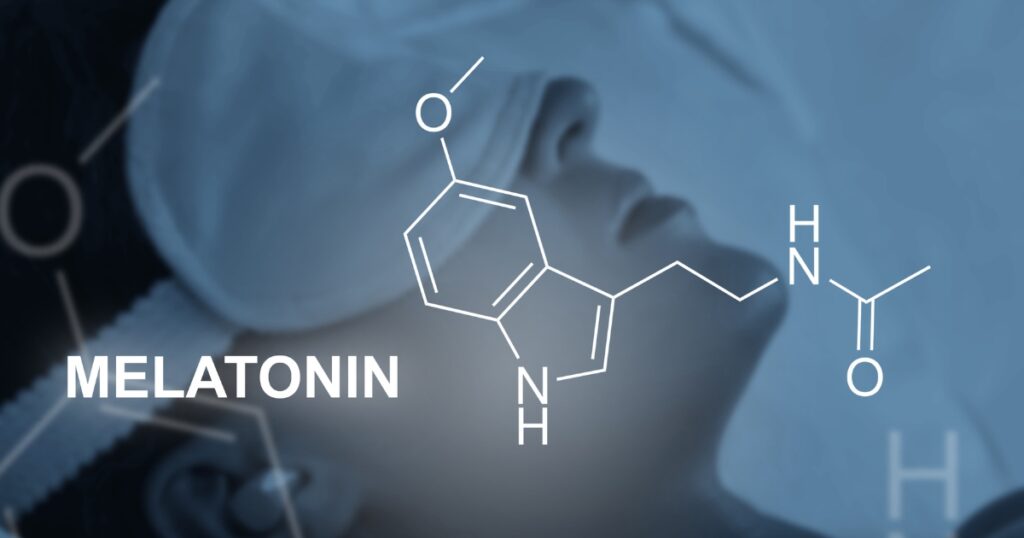
Melatonin dosages can vary, and it's advisable to start with lower doses (typically 1-3 mg) to assess individual tolerance and effectiveness. Most insomnia clinical trials for use a 3 mg dose of melatonin, a standard adult dose. Older adults should start at lower doses. There doesn't appear to be an issues with extended use.
What is the best form of melatonin to use? It can be confusing because there are multiple different formulations of melatonin, from standard pills, to gummies, to sublingual strips and drops. In addition, some melatonin products are marketed as fast-acting or quick-release formulas.
In my view, the most important thing is to get a high quality formulation of melatonin. There is wide variation in the actual dosage in many low-quality manufacturers that do not do quality control testing. As long as you have a high quality product, the effects will be consistent and you’ll figure out with experience when the best time is for you to take your melatonin.
High Dose Melatonin for Tinnitus
There is no data on the utility of high dose melatonin for tinnitus (i.e. doses higher than the pineal gland normally produces). However, a 2020 meta-analysis (summary of multiple studies) of high dose melatonin reported that there were increased reports of drowsiness, headache and dizziness [4].
I recommend avoiding high dose melatonin for ear ringing relief. This is because sleeping too much can worsen tinnitus just as much as not enough sleep.
How to Take Melatonin for Ear Ringing at Night
Melatonin should be taken around 30-60 minutes before bedtime. When used for tinnitus, melatonin therapy should be combined with other non-invasive interventions that can help foster better sleep. These are sometimes called “sleep hygiene” techniques and they can help with insomnia related to tinnitus.
Sleeping with Tinnitus
Sleep disturbances are extremely common for people who suffer from tinnitus. It's important to follow simple guidelines that will help optimize your ability to sleep. These should be used in parallel with melatonin tinnitus therapy for best results.
| Recommendation | Description |
|---|---|
| Consistent Sleep Routine | Establish a regular bedtime routine for better sleep quality. |
| Blue Light Reduction | Minimize exposure to blue light before bedtime, especially from screens. Blue light actually blocks melatonin release. |
| Sleep Environment Optimization | Create a sleep environment to enhance rest that is cool, dark, and comfortable. |
| White Noise or Sound Generators | Use white noise or sound generators to help mask tinnitus sounds while you are falling asleep. |
| Mindfulness Techniques | Practice mindfulness exercises like progressive relaxation and deep breathing as you prepare to go to sleep. |
| Stimulant Avoidance | Steer clear of stimulants in the evening for a calmer bedtime experience. |
| Hydration Timing | Refrain from drinking water three hours before bedtime for uninterrupted sleep. |
| Avoid Email/Social Media | In the 1-2 hours before going to sleep, don’t look at your email or social media. Excitement/stress caused by reading or seeing something on email/social media will cause suppression of sleep. |
What are the common melatonin side effects?
Melatonin for tinnitus is generally considered safe for short-term use, but some individuals may experience side effects. Common side effects of melatonin may include:
| Melatonin Side Effect | Notes |
|---|---|
| Daytime Sleepiness | Some individuals (older adults in particular) may feel drowsy during the day, especially if melatonin is taken in larger doses. If this happens, reduce the dose. |
| Headache | Melatonin use has been associated with headaches in some cases. This can occur if you sleep too much. |
| Dizziness | A feeling of lightheadedness or dizziness has been reported by a small number of individuals. This will happen if you take melatonin and don’t go to bed and continue walking around the house. |
| Nausea | Melatonin supplementation may uncommonly cause nausea or stomach discomfort in some users. |
| Irritability | Mood changes, including irritability, have been reported in rare instances. |
| Vivid Dreams or Nightmares | Some people may experience vivid dreams or nightmares when taking melatonin. |
| Sleep Disruptions | Paradoxically, melatonin can affect sleep patterns negatively in rare individuals, leading to difficulty falling asleep or staying asleep. |
If you get any side effects, try going to a lower dose before completely giving up on melatonin.
There are some anecdotal reports that say melatonin can trigger sleep apnea, but formal clinical trials show that people with sleep apnea are melatonin depleted and supplementation can actually help.
Can melatonin cause tinnitus?
Melatonin is very rarely linked to tinnitus and I found no official reports of this in the literature. While it's not impossible, any increase in tinnitus is more likely due to manufacturing impurities or as a secondary reaction to one of more common side effects (like headache). If you do notice an increase in tinnitus, simply stop taking it and consult a healthcare provider for guidance.
Case Example
David, 52, struggled with fluctuating tinnitus, but when he sought treatment from hearing professionals, he was either told he had to “live with it” or that noise would fix it. Nobody ever thought to ask about his sleep, which was totally disrupted and correlated with his tinnitus spikes. When he came to our clinic, it was clear the issue wasn’t just insomnia, it was a disrupted circadian rhythm paired with a migraine-like reactivity that made his tinnitus flare. We started him on our medical protocol, which in addition to medications included a low, regulated dose of melatonin. Within three weeks, his nighttime spikes dropped dramatically, and he finally began waking up with quieter, more stable tinnitus.
The Importance of Multimodal Tinnitus Care
While melatonin has clear benefits for sleep and brain health, it is not a standalone solution for tinnitus relief. Tinnitus is driven by complex neurological and inflammatory processes, particularly migraine-like brain activity and neural sensitization. Addressing these underlying factors requires a multimodal treatment approach—melatonin alone is often not enough.
Successful tinnitus management most often requires an integrative medicine approach. This includes:
✔ Medical Management – Targeting neurotransmitter imbalances and neurological stability
✔ Anti-Inflammatory Nutrition – Reducing neuroinflammatory foods and supporting brain health
✔ Behavioral Sleep Therapy – Optimizing sleep habits to improve tinnitus resilience
✔ Cognitive Behavioral Therapy (CBT) – Reframing negative thought patterns and emotional responses
The Role of a Medical Team
A tinnitus-trained medical team does more than prescribe medications—they provide personalized supplement guidance, optimize dosing, and ensure safe, evidence-based interventions. Without proper direction, supplement use can fall short or, in some cases, worsen symptoms. For lasting tinnitus relief, melatonin should be part of a strategic, integrative plan, not a one-size-fits-all remedy.
Conclusion: Melatonin and Tinnitus Relief
Melatonin tinnitus therapy is an important treatment tool, especially for those seeking a natural approach. While individual responses may vary, melatonin's multifaceted benefits on sleep, neural function, and overall well-being make it a compelling option in the holistic management of tinnitus.
However, as with any supplement for tinnitus, beware of expecting a quick fix. Melatonin tinnitus therapy is an important intervention, but it must be combined with other structured therapies that address the fundamental neural mechanisms that cause and perpetuate tinnitus.
Schedule a call today to create a personalized, medically-guided plan for lasting tinnitus relief.
Melatonin Tinnitus FAQs

Can melatonin cause your ears to ring?
It’s very unlikely. There are no strong studies showing that melatonin causes ear ringing. If someone notices increased tinnitus after taking melatonin, it may be due to other ingredients in the supplement or a rare side effect like headache. Simply lowering the dose or switching brands often helps.
Is it harmful to take melatonin every night?
For most people, no. Melatonin is considered safe for nightly use, especially at lower doses like 1–3 mg. Studies show it does not lead to dependence or disrupt your natural sleep cycle when used properly. Still, it’s best to use high-quality melatonin and talk to a healthcare provider if taking it long term.
How much melatonin should I take for tinnitus?
Start with 1–3 mg about 30–60 minutes before bedtime. This is the dose used in most clinical trials for tinnitus. If you're older or sensitive to medications, start even lower. There’s no proven benefit to high doses, and they may cause unwanted side effects like drowsiness or dizziness.
Can low melatonin cause tinnitus?

Low melatonin levels can disrupt sleep, increase inflammation, and worsen stress, all of which can make tinnitus louder or more annoying. This is especially true in older adults or those with poor sleep habits. An observational study found that elderly patients with tinnitus had significantly lower plasma melatonin levels than those without.
Does melatonin affect your ears?
Yes—in a good way. Melatonin has antioxidant and anti-inflammatory effects that may protect the inner ear from damage caused by loud noise or certain medications. It also helps regulate neurotransmitters that influence how the brain processes sound, including tinnitus.
Does melatonin affect hearing?
Emerging research suggests it might. Melatonin may help prevent noise-induced hearing loss and protect hearing cells from oxidative stress. Some studies even show it can support better hearing outcomes in people exposed to loud environments or ototoxic drugs.
Does taking melatonin help with tinnitus?

Yes, especially if you struggle with sleep. Clinical trials show melatonin can reduce tinnitus severity in people who also have insomnia. It’s most effective when combined with other treatments that target the brain's response to tinnitus, such as lifestyle changes and neural retraining.
Melatonin Tinnitus Therapy References

Dr. Hamid Djalilian
Professor of Otology and Neurosurgery
Dr. Hamid Djalilian, a tinnitus specialist and distinguished figure in the areas of otolaryngology, neurosurgery, and biomedical engineering, is NeuroMed’s Chief Medical Advisor.


